Originally published on the previous Polytainer website. Reviewed on 29 September 2026 to clarify technical claims and application-specific requirements.
Packaging Safety and Dangerous-Goods Requirements
First published in January 2023, this article outlined questions for packaging hazardous materials. Selection requires the product's classification, the proposed packaging design and the requirements of the actual journey. Work with the people responsible for the shipment and site safety to establish those requirements.
Understanding Hazardous Materials
Have the responsible technical or transport team identify the contents and their classification. Provide the available safety data and explain the intended journey. Where information is incomplete, record it as an open question rather than guessing at a classification.
Compliance with Regulatory Standards
Identify the transport modes, destinations and requirements that apply to the shipment. Ask for evidence relating to the exact proposed packaging design, then have the responsible team review its suitability. This article does not establish blanket legal compliance for a product range.
Specialized Hazardous Materials Packaging
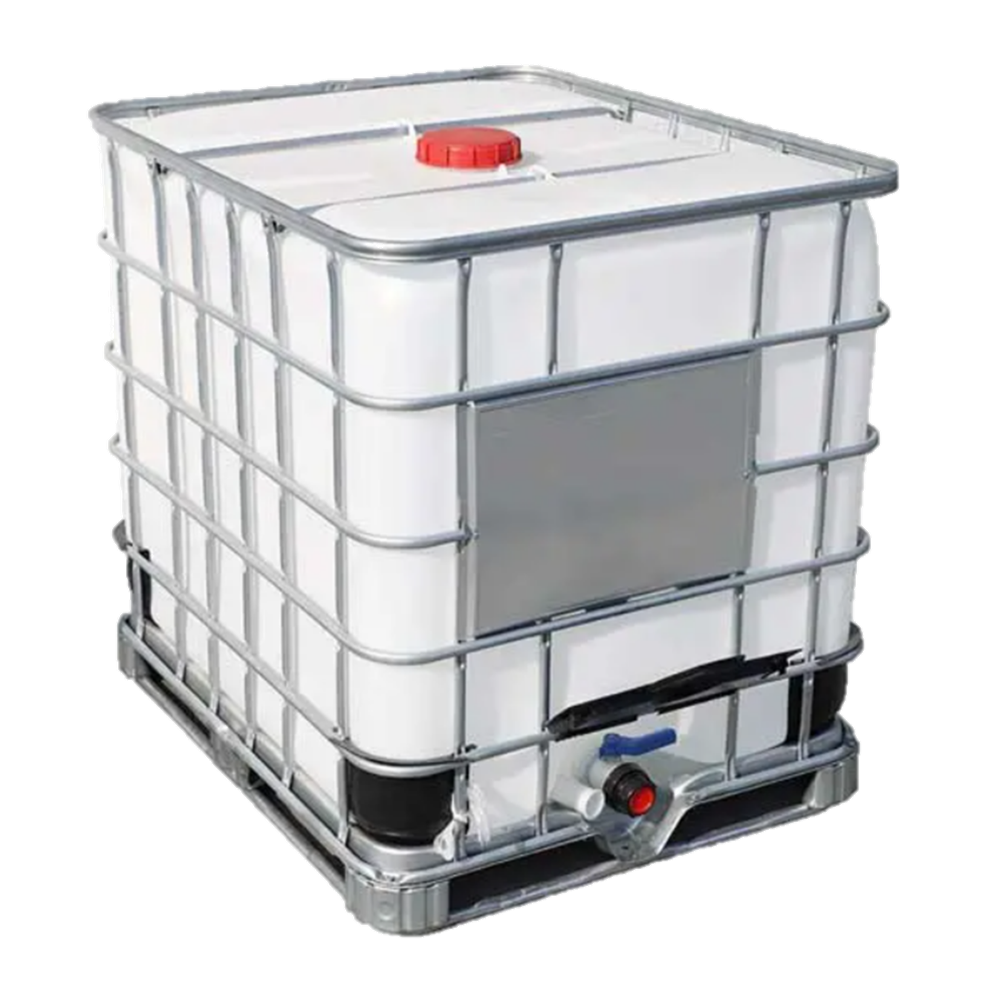
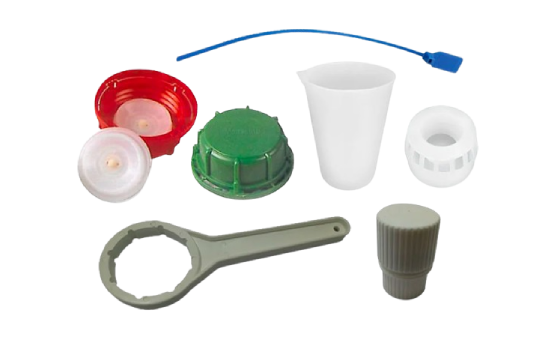
Discuss the container, closure, seals and dispensing fittings as one configuration. Ask which design-specific documentation is available and what conditions or limitations it states. A tamper-evident feature alone does not demonstrate suitability for dangerous goods.
Rigorous Testing Protocols
Ask for the tests and supporting documents that apply to the proposed design. Match them to the package and closure instructions being supplied. Testing evidence should be reviewed for its stated scope and conditions; it is not a guarantee that no incident can occur in service.
Customized Solutions for Diverse Needs
Different contents and journeys can require different packaging configurations. Discuss the available models and any proposed modifications with the responsible technical team. Do not assume that a change in shape, material or closure is covered by earlier approval documents.
Sustainability in Hazardous Materials Packaging
Discuss the container's previous contents, condition and proposed route after use with the relevant recovery provider and site team. Material recyclability alone does not establish that a used dangerous-goods package will be accepted or is suitable for another application.
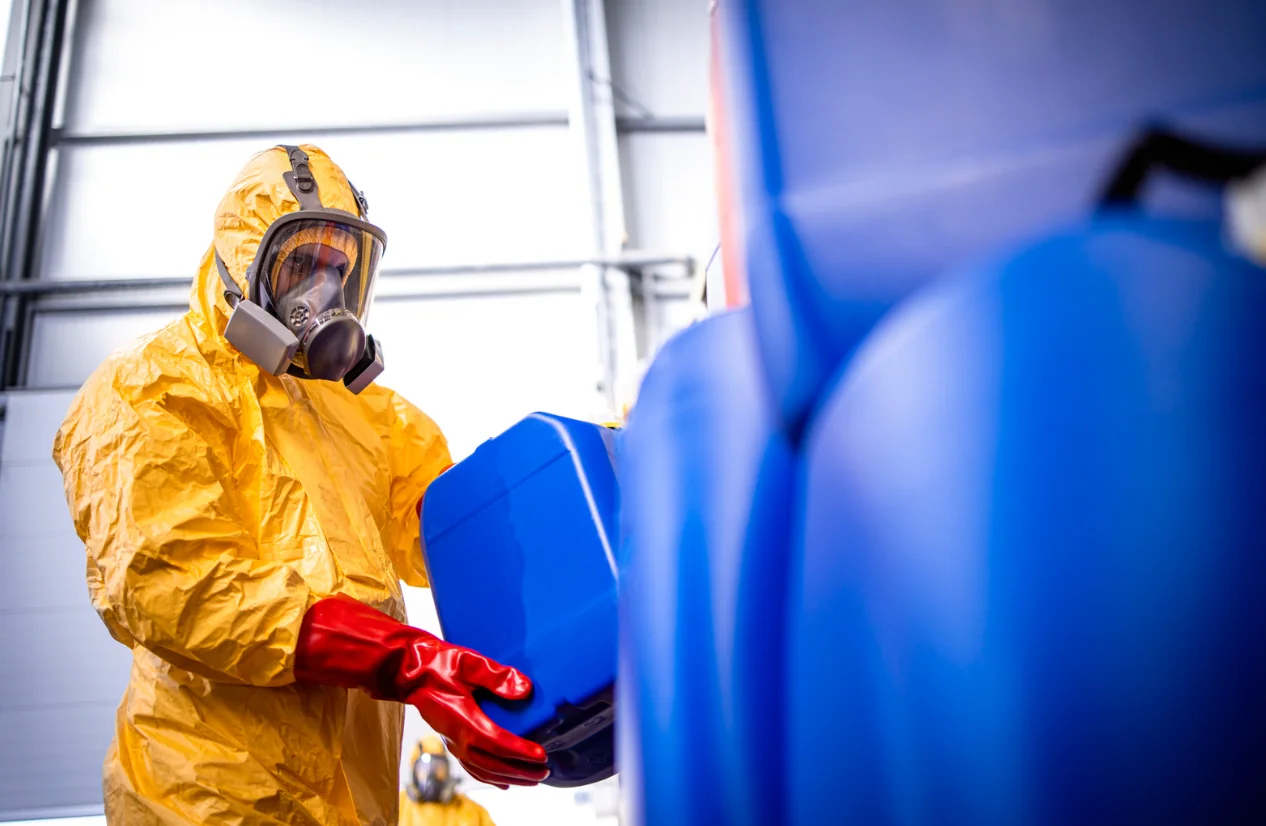
Packaging safety depends on an appropriate specification, documented instructions and the controls used during filling, handling, storage and transport. Use the enquiry to resolve the product and journey requirements before selecting a package.
Contact Polytainer with the contents information, intended journey and packaging requirements established by your responsible team.
Sources & further reading
References support the specific points noted above. Confirm the requirements that apply to your product, market and intended use.
- UN packaging: ask the right questions.
Related Polytainer guide for a current packaging brief.
- The closure is part of the package
Related Polytainer guide for a current packaging brief.