BEFORE YOU BEGIN
Three things to take away.
- Match the proposed package to its specific design and documentation.
- Ask for the closure instructions and the complete component specification.
- Confirm applicable transport requirements with the people responsible for your shipment.
Look beyond the product-family name
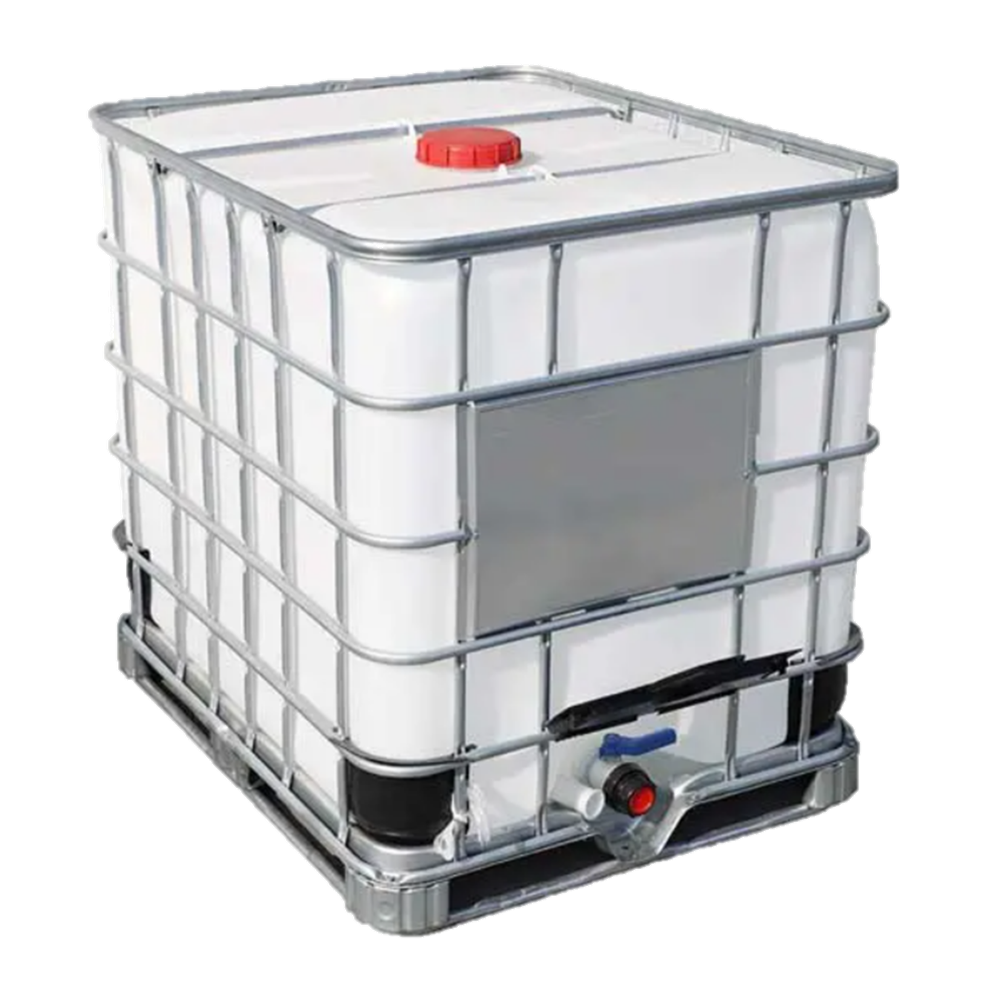
A jerrycan or IBC is a family of packaging, not a complete approval description. ISO 16495 addresses design-type testing for packaging, IBCs and large packaging intended for dangerous goods. That design-level focus is a useful starting point for a buyer’s questions.
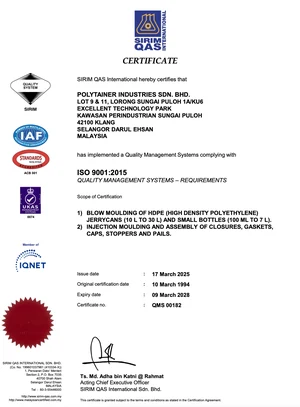
Ask the supplier to identify the proposed model and the evidence that belongs to it. Do not assume a document for one model covers another size, closure or component combination.
References: [1]
Bring the shipment requirements into the brief
The packaging supplier needs a clear description of the contents and intended use. Your transport or compliance team should establish the classification and the requirements that apply to the actual journey, including its destination and modes of transport.
Make it clear which information has been confirmed and which is still under review. Request a written response to the proposed application instead of relying on a general statement that a range has UN options.
Keep the closure instructions with the specification
The closure is part of the discussion. In its interpretation of United States hazardous-materials requirements, PHMSA explains that closure instructions need a consistent, repeatable method that reproduces how the packaging was closed for testing. That is a US regulatory example, not a statement of Malaysian law.
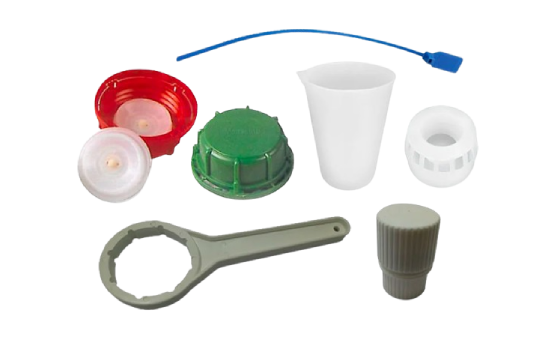
For your proposed pack, request the manufacturer’s applicable instructions and the identities of the closure and sealing components. Ask how changes to these components will be reviewed; a visually similar replacement should not be treated as automatically equivalent.
References: [2]
Make the document review actionable
Build a simple record connecting the purchase specification, supplier model, supporting documents and intended use. Assign responsibility for resolving missing information before release to production.
If the contents, route or packaging configuration changes, reopen the discussion. This guide helps structure procurement questions; final selection needs the current requirements and assessment applicable to your shipment.
PUT IT INTO PRACTICE
Your next-step checklist.
Bring these points to your packaging discussion.
- Proposed model and complete component configuration
- Product classification and relevant contents information from your responsible team
- Current design-specific supporting documentation
- Applicable filling and closure instructions
- Stated limitations and intended transport conditions
- Approval of the final specification before ordering
Sources & further reading
References support the specific points noted above. Confirm the requirements that apply to your product, market and intended use.
- ISO 16495:2022 — transport packaging test methods (opens in a new tab)
The standard’s published scope covers design-type testing information for dangerous-goods packaging, IBCs and large packaging.
- PHMSA interpretation 12-0081 — closure instructions (opens in a new tab)
United States interpretation illustrating repeatable closure methods. Jurisdiction and current applicability need separate confirmation.
EXPLORE THE POLYTAINER RANGE