BEFORE YOU BEGIN
Three things to take away.
- Record previous contents and container condition accurately.
- Confirm acceptance with the actual collection provider.
- Keep collection records separate from environmental claims.
Create a container inventory
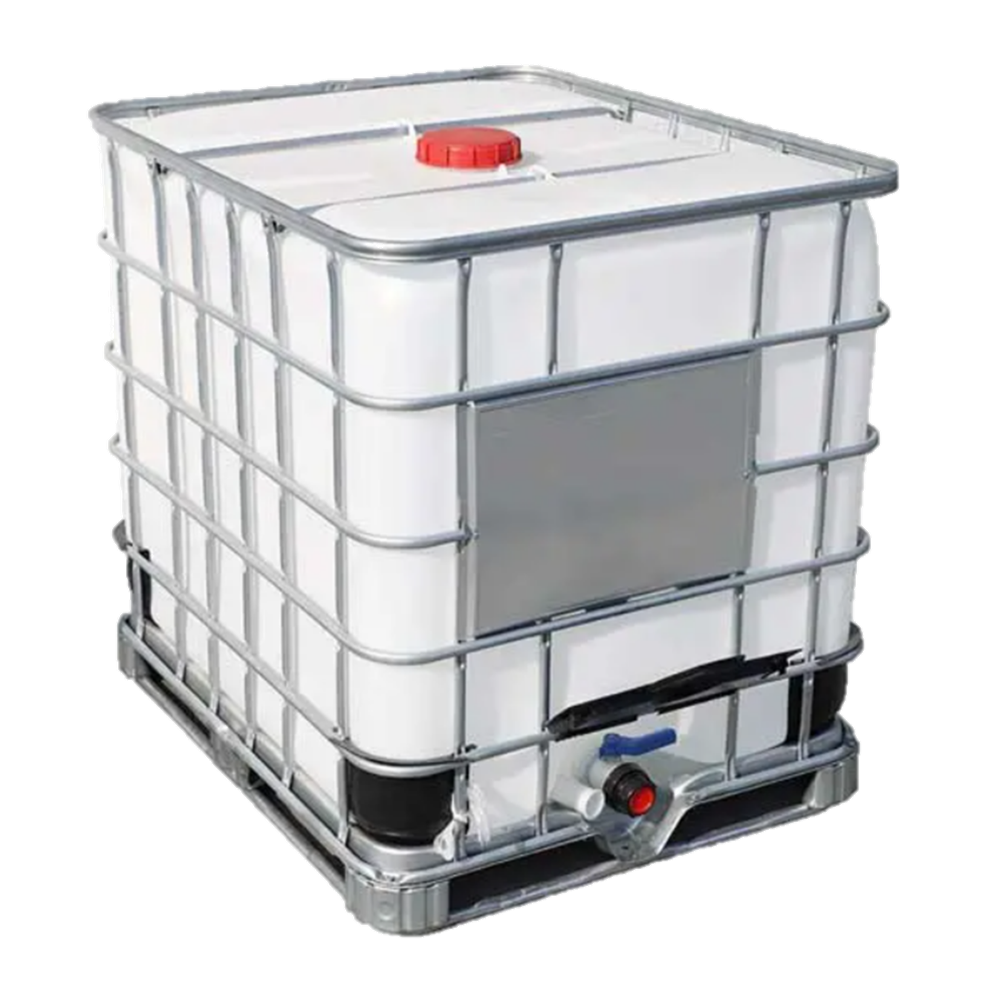
Count the IBCs and group the information by model, capacity and previous contents. Record the manufacturer or identification details that remain readable, and photograph the containers without opening them. Where the history is incomplete, mark it as unknown rather than filling the gap with an assumption.
Use one reference for the inventory, photographs and collection enquiry. This helps the provider review the same set of containers that your site team expects to hand over.
Make the contents history available
Prepare the product names and current safety data sheets available for the last contents. Mauser’s EMEA collection request, for example, asks for packaging quantities and contents classifications, with safety data sheets available on request. Treat this as an illustration of provider information needs, not a universal acceptance rule.
Tell the provider about uncertainty, mixtures or residual contents before booking. Have your responsible site team handle any classification questions; the collection enquiry should describe the facts, not guess at whether a container is harmless.
References: [1]
Describe condition before discussing a pickup date
SCHÜTZ’s Asia-Pacific terms consider the IBC model, damage, residual contents, readable labels and functioning closures. Its programme can refuse containers that do not meet the conditions. These are that provider’s terms, so obtain the requirements that apply to your own collection arrangement.
Include clear photographs of the bottle, cage, pallet and valve area where safely visible. Report damage, leakage or missing parts to your site’s responsible team and the provider. Any handling or treatment belongs under the site’s approved procedures and competent supervision.
References: [2]
Confirm the actual collection arrangement
Ask for written confirmation of the accepted types and quantities, service area, charges and any conditions that remain subject to inspection. Agree the pickup address, access restrictions, working hours, site contact and loading responsibilities before reserving a date.
Send an updated inventory if the quantity or condition changes. A confirmed collection request should be based on the containers that are actually ready, with the transport and handover documentation agreed by the responsible parties.
Keep evidence of what happened next
Retain the handover record and ask what evidence the provider can supply about the recovery route. If you report a reuse, recycling or carbon benefit, check that the evidence supports that specific statement. A collection record establishes that containers were collected; it does not, by itself, quantify an environmental saving or establish their suitability for another use.
PUT IT INTO PRACTICE
Your next-step checklist.
Bring these points to your packaging discussion.
- Accurate quantity, model and capacity inventory
- Previous contents and available safety data sheets
- Condition photographs and clearly marked unknowns
- Provider acceptance, charges and inspection conditions
- Site access, loading responsibilities and handover records
Sources & further reading
References support the specific points noted above. Confirm the requirements that apply to your product, market and intended use.
- Mauser Packaging Solutions — EMEA collection request (opens in a new tab)
A provider-specific example of inventory and contents information requested for collection in EMEA.
- SCHÜTZ — Asia-Pacific collection conditions (opens in a new tab)
Provider-specific regional conditions, including Malaysia; confirm the current terms directly with your provider.
EXPLORE THE POLYTAINER RANGE